


-

Add: HeBei ShengShi HongBang Cellulose Technology CO.,LTD.
-

Email
13180486930@163.com -

CONTACT US
+86 13180486930




Chemical materials have become an integral part of countless industries, enabling innovations and improving the quality of everyday products. Understanding the relevance and application of these materials can unlock potential for businesses and innovators alike . The chemistry behind these materials, their synthesis, applications, and safety considerations are imperative in establishing authority, expertise, and trustworthiness in the field. At the core of understanding chemical materials lies the expertise in their categorization and application. Chemical materials include polymers, ceramics, alloys, composites, and bio-materials, each playing unique roles in industrial and consumer applications. For instance, polymers such as polyethylene, polystyrene, and polyvinyl chloride are pivotal in the manufacturing of packaging materials, household goods, and clothing. Their versatility stems from customizable properties like flexibility, durability, chemical resistance, and cost-effectiveness. Ceramics, known for their thermal stability and hardness, contribute significantly to the creation of heat-resistant tiles, insulators, and optical materials. Expertise in ceramic engineering can push boundaries in electronics, automotive, and aerospace industries, promoting innovation and efficiency. Alloys, a union of metals, expand possibilities in structural applications due to their enhanced mechanical properties. The expertise in tailoring these alloys for specific applications like automotive parts, medical devices, and construction materials is critical to maintaining a competitive edge. The application of composite materials, which combine two or more constituent materials with differing physical or chemical properties, unveils new prospects in industries requiring lightweight yet strong materials. The aerospace and sporting goods industries benefit immensely from composites like carbon fiber-reinforced polymers due to their superior strength-to-weight ratio. Understanding the material science behind these composites allows for enhanced product performance and sustainability, reinforcing a company's innovative stature. Biomaterials merge the intricacies of biology with material science, creating substances suitable for medical applications such as prosthetics, dental implants, and tissue engineering. The safety standards and biocompatibility of these materials are paramount, demanding stringent testing and compliance with international regulatory bodies. Possessing expertise in biomaterials segments a company as a frontrunner in advancing medical technologies. chemical material The intricacies involved in the synthesis and processing of these chemical materials demand authoritative knowledge and experience. It is not only vital to innovatively synthesize these materials but also to sustainably source, process, and recycle them. Sustainable practices in material science, such as using bio-based polymers or recycled metals, significantly contribute to a company's trustworthiness and appeal in a market increasingly sensitive to environmental impacts. Furthermore, maintaining authoritative credibility requires adherence to high safety and quality standards. Industry certifications and accreditations testify to a company’s commitment to excellence and trust. Establishing trustworthiness involves transparency in sourcing materials, manufacturing processes, and engagement with stakeholders regarding product lifecycle and safety concerns. In a digital landscape where information is abundantly available, demonstrating expertise requires proactive engagement with research and continuous learning. Professionals involved in the development and application of chemical materials must bridge the gap between scientific breakthroughs and practical implementation, presenting information understandable both to peers and consumers. For businesses aiming to establish their expertise and authority, focusing on innovation in chemical materials is crucial. Practical applications explored through research collaborations and partnerships with academic institutions can lead to breakthroughs that redefine industries. Sharing such knowledge through credible platforms effectively positions a company as a leader in chemical materials, enhancing its visibility and reputation in both local and global markets. In conclusion, navigating the vast domain of chemical materials necessitates a blend of expertise, authority, trust, and experience. For companies in this field, this involves not only innovating with materials but also ensuring sustainable, safe, and efficient practices. By doing so, businesses not only contribute to technological advancements but also build a trustworthy brand that resonates with industry peers and consumers alike.
- 40000tons

Production
- 20+years

Experience
- 5000+㎡

Acreage

-
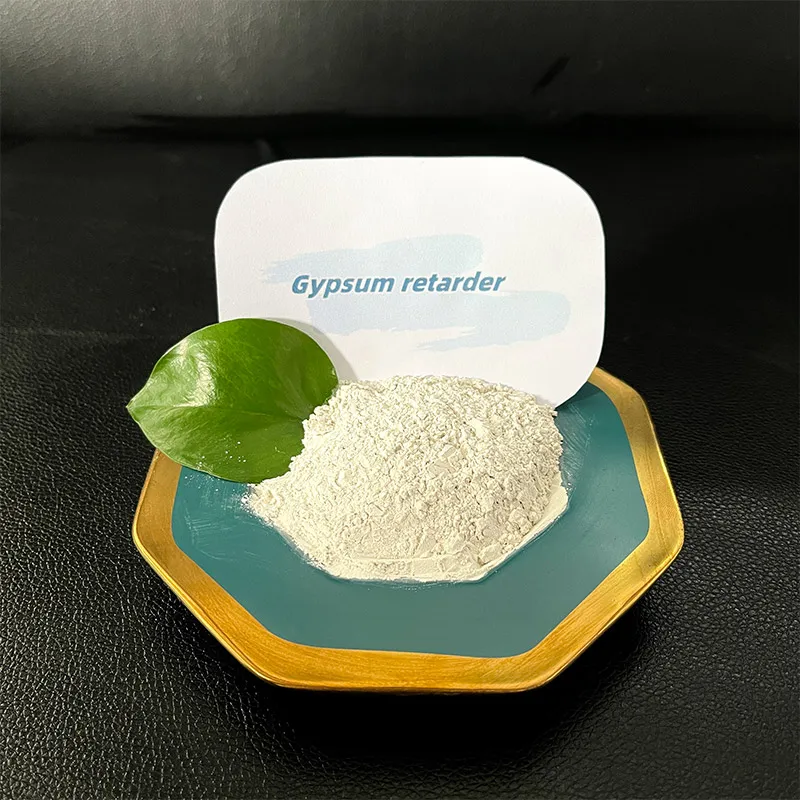
High Performance Computing (HPC) and Hydroxypropyl Methylcellulose (HPMC) might seem like disparate terms, but they represent pivotal influences in their respective domains—technology and material science. As the digital era sweeps across industries, understanding the roles these elements play in shaping technological advancements becomes indispensable. HPC is a cornerstone in computational processes, enabling large-scale simulations, complex calculations, and efficient data processing. Its significance is particularly pronounced in areas like climate modeling, physics simulations, and drug discovery where traditional computing methodologies fall short. HPC systems enhance computational capabilities by linking computer clusters to function as a single entity, thereby optimizing processing power and speed. Businesses and institutions harness this capacity to solve problems that were previously insurmountable, significantly reducing the time required for research and development. Conversely, HPMC stands as a key player in the pharmaceutical and construction industries. As a semi-synthetic polymer, it exhibits excellent properties that make it an indispensable additive. In pharmaceuticals, HPMC serves as a controlled-release agent, ensuring the active ingredient in a drug is distributed at an appropriate pace in the body, enhancing the drug's effectiveness and patient safety. In construction, HPMC is valued for its water retention and cement dispersion properties, crucial for improving the workability of cement and plaster, leading to prolonged setting times and enhanced durability of structures. Bridging HPC and HPMC is their shared goal of fostering innovation and efficiency. Companies integrating HPC into their processes can speedily analyze vast data sets to identify patterns and make informed decisions, perhaps even in the tailoring of drug formulations utilizing HPMC. Such synergy allows for an unprecedented level of product refinement and predictive modeling, elevating the standards of quality and safety. Furthermore, the intersection of HPC and HPMC is visible in material science, where simulations powered by HPC can predict how HPMC and other polymers interact at a molecular level. Such insights are crucial for the development of new materials with customized properties, thereby expanding the potential applications of HPMC in various industries. hpc hpmc In practical applications , HPC has dramatically altered how industries approach data. For example, in genomics, HPC provides the computational capacity to conduct comprehensive genome analyses, a task unmanageable without such technology. These analyses can propel forward research in genetic disorders, fostering early detection and personalized medicine. Similarly, in the realm of energy, HPC aids in optimizing the exploration and production of energy resources, enhancing both efficiency and sustainability. On the HPMC front, its versatility extends into the food industry, where it acts as a stabilizer, thickener, and emulsifier. The non-toxic and non-allergenic nature of HPMC makes it an attractive option in developing food products that meet stringent safety standards while retaining taste and texture. In the realm of personal care products, it is used to enhance the consistency and shelf life of goods such as lotions and creams. Given this context, businesses looking to leverage these innovations need to astutely integrate HPC into their strategic planning and utilize HPMC in product development to stay competitive. Organizations should invest in training and development of their workforce to gain expertise in these technologies, ensuring they remain at the forefront of their industries. Trust in these technologies comes from demonstrated success and scientific validation. For companies involved with HPC, regularly publishing peer-reviewed research and case studies can help bolster trustworthiness and transparency in their methodologies. Simultaneously, firms utilizing HPMC in products must comply with regulatory standards and publish their compliance and safety certifications to establish credibility and consumer trust. In conclusion, HPC and HPMC exemplify the potential inherent in technological and scientific advancement. While they operate in distinct spheres, their intersection presents endless opportunities for innovation and enhancement of products and services. By harnessing their capabilities, industries can not only improve their processes and offerings but also foster an environment where continuous improvement and cutting-edge solutions are the norms.
-
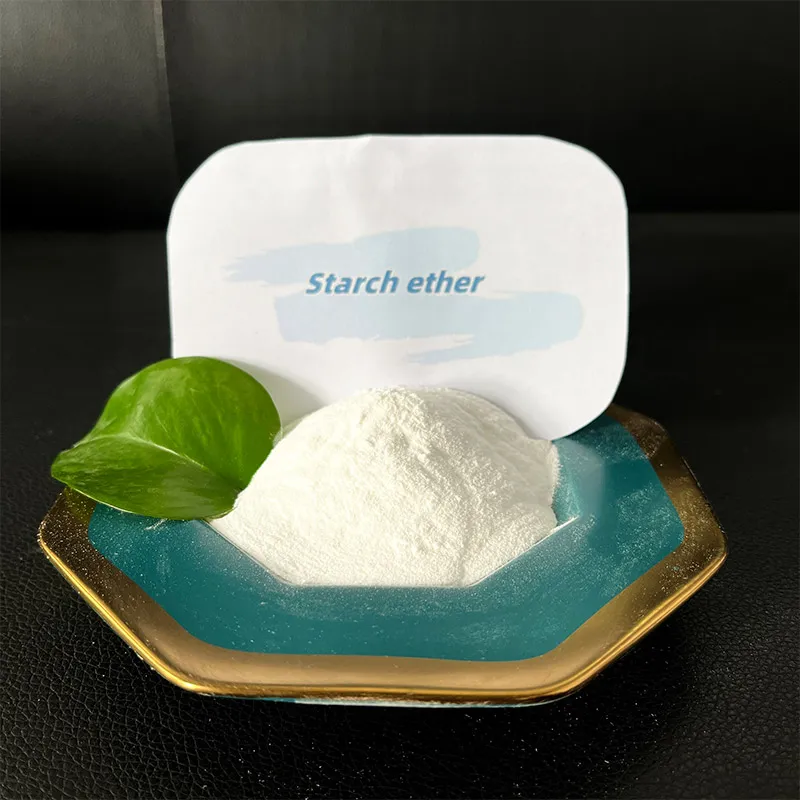
Pentastarch is a frequently utilized colloidal solution that has sparked interest among medical professionals due to its potential as a plasma volume expander. It is a hydroxyethyl starch, distinguished by its unique structure that allows it to play a crucial role in managing hypovolemia—a condition characterized by a decrease in the volume of blood plasma. Throughout its years of utilization in clinical settings, pentastarch has been the subject of extensive research, thereby establishing itself as a prominent topic in the medical community. One standout characteristic of pentastarch is its ability to rapidly restore intravascular volume, which is pivotal in the management of acute blood loss situations. The innovative structure of pentastarch, comprising a high molecular weight polysaccharide, provides it with the necessary properties to enhance oncotic pressure, thereby retaining fluid within the vascular compartment. This makes pentastarch a lifesaving therapy in critical care settings, where timely intervention is essential. However, the administration of pentastarch comes with a set of considerations that require professional expertise for safe and effective use. Its metabolic pathway, primarily through renal excretion, necessitates caution in patients with compromised kidney function. The accumulation of pentastarch in such conditions could lead to adverse effects, highlighting the importance of thorough patient assessment prior to its usage. The expertise of healthcare professionals is crucial in balancing the benefits of expeditious volume expansion against the risks associated with its administration. Moreover, pentastarch’s application is not limited to emergency care; it also finds utility in elective surgical procedures. Pre-surgical administration of pentastarch can stabilize cardiovascular function, minimizing the risk of hypotension during surgery. An authoritative understanding of its effects helps anesthesiologists administer precise dosages, tailored to the individual needs of patients, thus fostering a safer surgical environment and enhancing recovery outcomes. In recent years, studies have brought to light considerations related to its long-term safety profile, spurring debates within the medical community. Concerns about coagulopathy, particularly in prolonged administration scenarios, have been investigated, with findings emphasizing the necessity for controlled use and monitoring. Such concerns accentuate the need for trustworthiness and transparency from manufacturers, ensuring that the latest clinical data is accessible to practitioners worldwide. pentastarch On the matter of trustworthiness, it is imperative that resources regarding pentastarch be derived from reputable scientific literature and guidelines. Manufacturers and healthcare institutions must disseminate information that adheres to the highest standards of clinical evidence. This involves not only sharing positive outcomes but also clearly outlining potential risks and contraindications . For clinicians new to this product, familiarization with the most recent evidence-based protocols is encouraged. Attending workshops, engaging in continuous medical education, and collaborating with experienced colleagues can fortify an understanding of best practices. Establishing a network with peers who have firsthand experience with pentastarch can greatly enhance decision-making processes in clinical applications. Further contributing to its authoritativeness, pentastarch’s role in global health crises has been documented, providing case studies and real-world experiences of its effective use. These case studies serve as a testament to its vital function and the expertise required to deploy it effectively under duress. In conclusion, pentastarch remains a significant tool in the realm of fluid therapy, with its application demanding a balanced blend of experience, expertise, and stringent adherence to authoritative guidelines. As ongoing research continues to illuminate its nuanced applications, medical professionals are tasked with staying informed, ensuring that patient safety and therapeutic efficacy remain at the forefront of its use. Establishing trust through transparent communication and evidence-based practice is the cornerstone of optimizing patient outcomes with pentastarch.
advantages
-

200000 Viscosities
Excellent product
We can produce pure products up to 200,000 viscosities
-

40000 tons
High yield
We don’t stop production all year round, and the annual output can reach 40,000 tons
-

24 hours
Quality service
We provide 24-hours online reception service, welcome to consult at any time
———— Inquiry Form
Schedule A services

-
 hpmc_cellulose
Oct . 25, 2025
6-Hydroxyethyl starch (6-HES) is a potent and invaluable tool in the medical field , particularly in -
 presyo_ng_polypropylene_fiber
Oct . 25, 2025
Navigating the ever-evolving landscape of recycled rubber powder pricing demands a nuanced understan -
 what_is_wood_cellulose
Oct . 25, 2025
Hydroxypropyl methylcellulose (HPMC) E50 is a versatile and highly valued polymer in various industr


